

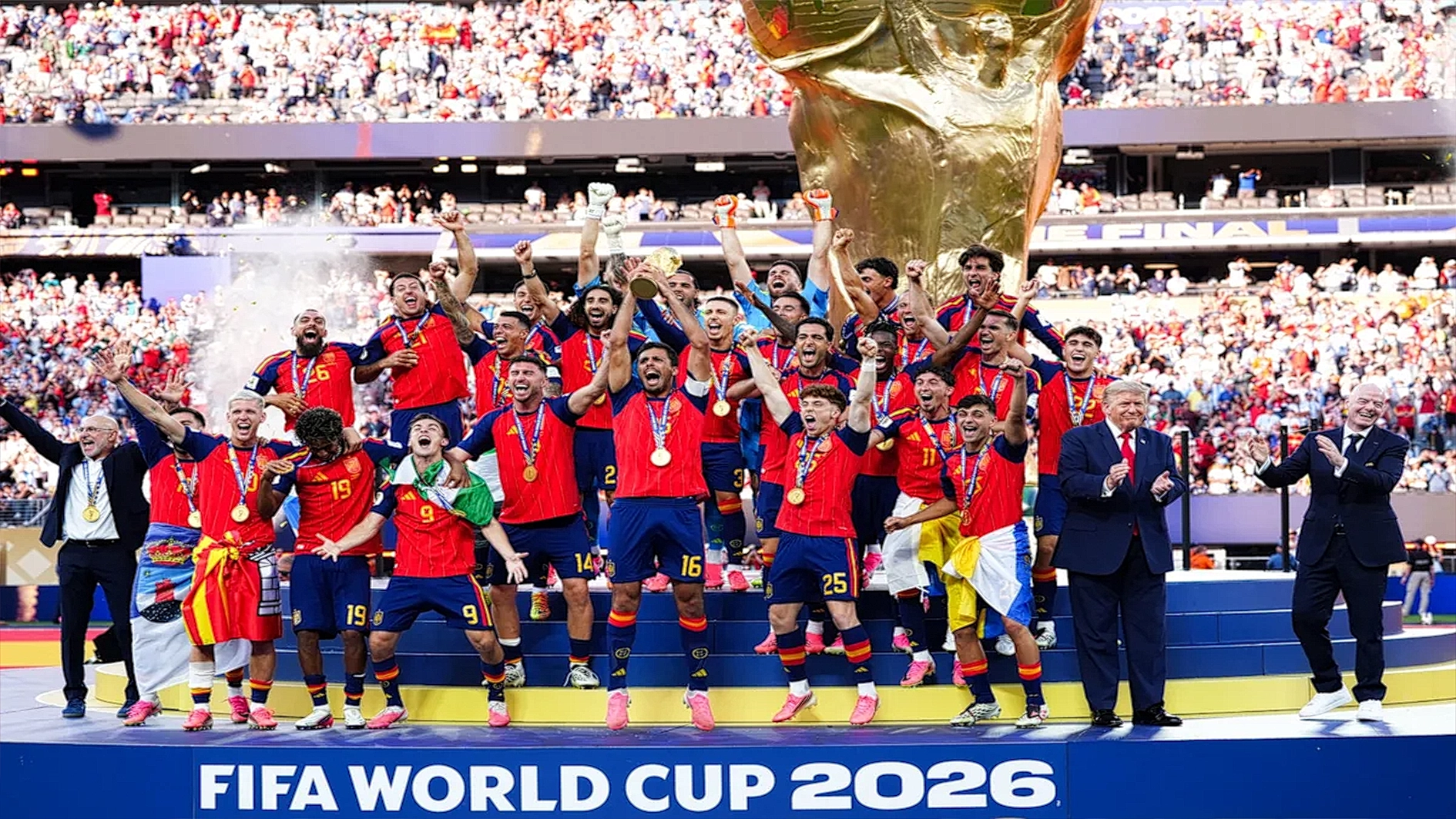
The 2026 FIFA World Cup injected $20 billion into the United States economy, with several host cities enjoying a spending boom, Bank of America has said, according to a report by independent.co.uk.
The financial boost came despite fears that factors such as President Donald Trump’s tough immigration policy and the U.S. war with Iran could discourage foreign tourists and dampen the economic benefits.
The chief executive of tournament sponsor Bank of America, Brian Moynihan, told CBS News that roughly half of the $40 billion in economic activity generated by the World Cup occurred in the United States. “It’s having this on-the-ground economic impact,” he said on Face the Nation. “Spending is going into what we call bricks-and-mortars – going to bars and restaurants and things like that – not necessarily only the people in the stadium.”
“The people are showing up,” he continued. “They’re having a great time. If you go to a game, you know, they keep the stadium open two or three hours after. I was in the quarterfinals in Boston, and the place was full.”
The bank’s July Consumer Checkpoint report recorded a 6.3 per cent year-on-year rise in credit and debit card spending nationwide, the strongest growth in four years, with restaurants and bars among the biggest beneficiaries. The analysis covered two periods, the first from May 20 to June 9, before the tournament began, and the second from June 10 to June 30. In host cities, restaurant spending doubled from about 3 per cent in the first window to 6 per cent in the second.
Not all of the 11 U.S. host cities gained equally. According to The Wall Street Journal, Philadelphia and Kansas City emerged as the biggest winners. Hotel revenue in Philadelphia rose more than 50 per cent on match days compared with the same period last year, per Costar, while Arlington, Texas, posted record hotel revenue of $31 million last month.
By contrast, major destinations such as New York and Los Angeles appeared to fall short of expectations. The Hotel Association of New York had expected the city’s total hotel revenue to rise by $100 million on the back of the tournament, well below the $300 million forecast, Costar added. On the day the World Cup kicked off on June 11, Reuters reported that the anticipated travel and tourism boost had yet to materialise, with flight bookings slumping and high ticket prices deterring some fans.
“Overall a disappointment. There’s no other word that I can say,” the chief executive of the Hotel Association of New York City, Vijay Dandapani, said at the time. Even so, the more recent findings were backed by businesses on the ground. Shea Roggio, co-owner of a Korean fried chicken and sports bar in Philadelphia, said he grossed $13,000 from a single screening of the England-Norway match held in Miami. “I never want it to end,” he told The Wall Street Journal.
Source: The Guardian.







Comments 0